


Clinician Burnout: A Hidden Cost of the System
The Problem: A System That Drains Providers
Clinicians enter the profession with passion and purpose, but many find themselves overwhelmed by the realities of practice. Documentation requirements consume hours that could be spent in patient care. Inconsistent therapeutic tools and curricula leave providers improvising session after session, generating stress and variability. Without clear structures or reliable feedback loops, clinicians are left wondering whether their interventions are making a measurable difference.
This environment fuels burnout. Studies show high levels of stress and turnover among behavioral health professionals, with many leaving the field altogether. For patients, this creates instability—frequent changes in providers disrupt therapeutic relationships and hinder progress. For organizations, recruitment and training costs skyrocket, while morale continues to suffer.
Why Burnout Persists
The drivers of burnout are not new, but they persist because the system has failed to evolve. Behavioral health remains fragmented, with limited emphasis on scalable structures to support clinicians. Many organizations lack the tools to standardize care delivery, track key performance indicators (KPIs), or provide clinicians with the confidence that their work is both effective and sustainable. Without systemic solutions, burnout remains inevitable.
The OptimaCare360 Solution
OptimaCare360 was designed to address this hidden cost by building structure, visibility, and support into the clinical process.
Our solution directly tackles the causes of burnout through three key innovations:
- Structured Group Curricula
Instead of leaving clinicians to design sessions from scratch, OptimaCare360 provides evidence-based group therapy curricula supported by over 600 patient education modules. Each module includes psychoeducation, testing, reflection, skills practice, and worksheets—creating consistency and reducing the burden on clinicians to reinvent the wheel. - Clinician Dashboards
Our intuitive dashboard provides therapists with real-time insights into patient engagement and progress. Rather than relying on anecdotal impressions or disconnected notes, clinicians can track module completion, emotional check-ins, and treatment milestones. This visibility not only saves time but also reinforces a sense of purpose by showing clear evidence of impact. - KPI-Driven Management Tools
For supervisors and administrators, the platform captures key metrics across clinical, operational, and engagement dimensions. Leaders can identify trends, support staff, and address issues early. By shifting management from reactive to proactive, organizations can create a healthier environment for clinicians while ensuring accountability.
The Impact: Restoring Balance and Retention
By reducing administrative overload, providing structured tools, and connecting clinical activity to measurable outcomes, OptimaCare360 transforms the work environment for clinicians. Stress decreases, confidence grows, and turnover drops. Patients benefit from more consistent, engaged providers. Organizations gain stability, improved outcomes, and cost savings through reduced recruitment and training expenses.
Conclusion
Clinician burnout is more than a workforce issue—it’s a systemic threat to effective behavioral health care. Left unaddressed, it erodes patient trust, undermines outcomes, and destabilizes organizations. OptimaCare360 offers a path forward by embedding structure, visibility, and accountability into the fabric of care delivery. With these tools, clinicians can return to what they do best: guiding patients toward healing, without being consumed by the weight of an unsupportive system.
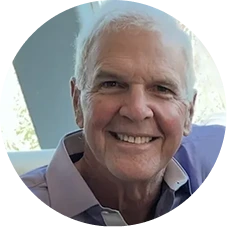
About the Author
John Trimmer
Making Ordinary Care Extraordinary

